
Only logged in customers who have purchased this product may leave a review.

Lab Tests
Zonulin Stool Test – Stand Alone
$130.00
The Role of Zonulin in Intestinal Permeability
Zonulin is a protein in the small intestine that plays a crucial role in controlling the permeability of tight junctions between cells in the digestive tract.1 Tight junctions are responsible for maintaining the relative stability of intracellular substances. They control the opening and closing of intercellular pathways to allow molecules of different sizes and charges to enter the body. They are the key factor in the permeability of the paracellular barrier.2 Elevated zonulin levels in stool are indicative of increased intestinal permeability. In cases of intestinal permeability, tight junctions are less effective at keeping unwanted substances out of the bloodstream. When this occurs, bacteria, toxins, and undigested food particles can pass through the intestinal barrier and trigger an immune response.3
Zonulin’s Link to Various Diseases
A variety of diseases are correlated with an increase in zonulin levels. Zonulin was first discovered to play a role in the intestinal permeability of celiac patients. It was later identified to be elevated in other digestive disorders, including Crohn’s disease and ulcerative colitis. That elevation of zonulin may contribute to the inflammation and intestinal barrier dysfunction seen in these conditions.4
Increased intestinal permeability and elevated zonulin levels have also been observed in various autoimmune diseases. These include rheumatoid arthritis (RA), multiple sclerosis (MS), and systemic lupus erythematosus (SLE). It is believed that intestinal permeability contributes to the onset or exacerbation of these conditions. There is emerging research suggesting a potential link between increased zonulin levels, intestinal permeability, and neurological conditions such as autism spectrum disorders and certain mood disorders.5 Finally, elevated zonulin levels have been associated with metabolic syndrome and obesity. Disruption of the gut barrier may contribute to inflammation that is seen with metabolic dysfunction.6
Underlying Causes of Elevated Zonulin

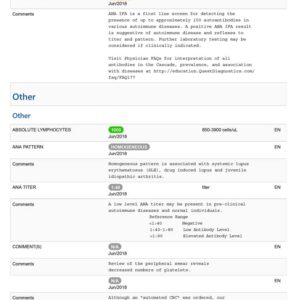
The result above shows the Zonulin result for my patient, Sam, who came to my clinic complaining of gas, bloating, food intolerance, and fatigue. I ordered a GI-MAP test with the Zonulin Add-On to find out what was causing his symptoms. Sam’s GI-MAP report indicated that his zonulin level was five times higher than the reference range.
When zonulin is elevated on a GI-MAP stool test, I look for underlying infections that could be causing the inflammatory process. In Sam’s case, the GI-MAP revealed that he had multiple protozoa in his system. I tailored a protocol to treat the worms and then went headfirst into addressing the high zonulin levels and inflammation.
In patients with high zonulin levels, I always address dietary and lifestyle issues, like stress and alcohol intake, as well as food allergies, pesticides, herbicides, and antibiotics in the diet. In Sam’s case, he was eating a very restricted organic diet and did not drink alcohol. His diet was not the underlying cause of his intestinal permeability – the protozoa were.
Effective Treatments for Elevated Zonulin Levels
In my practice, I’ve successfully used bioflavonoids like quercetin, resveratrol, green tea extract (EGCG), and pycnogenol when addressing elevated zonulin. Bioflavonoids have been proposed to exert beneficial effects on intestinal barrier function. It has been established that dietary flavonoids can act to reduce the expression of inflammatory genes in the intestinal tract to prevent degradation of the cells as well as re-establish healthy growth of the mucous membrane.7
Further, probiotics can also play a vital role in healing the mucous membrane. Multiple trials have shown that Lactobacillus rhamnosus GG can improve gut barrier function and reduce intestinal permeability in patients with irritable bowel syndrome (IBS).8 Lactobacillus rhamnosus GG is a widely studied probiotic strain that has been shown to improve gut health and reduce intestinal permeability. While the exact mechanisms of action are still unknown, evidence suggests that it contributes to enhanced gut barrier function and reduced intestinal permeability. Lactobacillus rhamnosus GG has been shown to reinforce tight junctions found in the small bowel, which can act to reduce inflammation and help with the production of mucin to protect the gastrointestinal lining.9 Finally, Lactobacillus rhamnosus GG can compete with and inhibit the attachment of harmful pathogens to the intestinal lining, thus reducing the risk of infections and inflammation in the future and preventing intestinal permeability.10
Zonulin and GI-MAP Testing
Zonulin is available as an add-on to the GI-MAP test. From constipation and bloating to anxiety and skin problems, intestinal permeability can wreak havoc on patient health. As a clinician, I find the zonulin marker vital for understanding what is happening with my patients, and I order it along with every GI-MAP I run.
Reviews
There are no reviews yet.